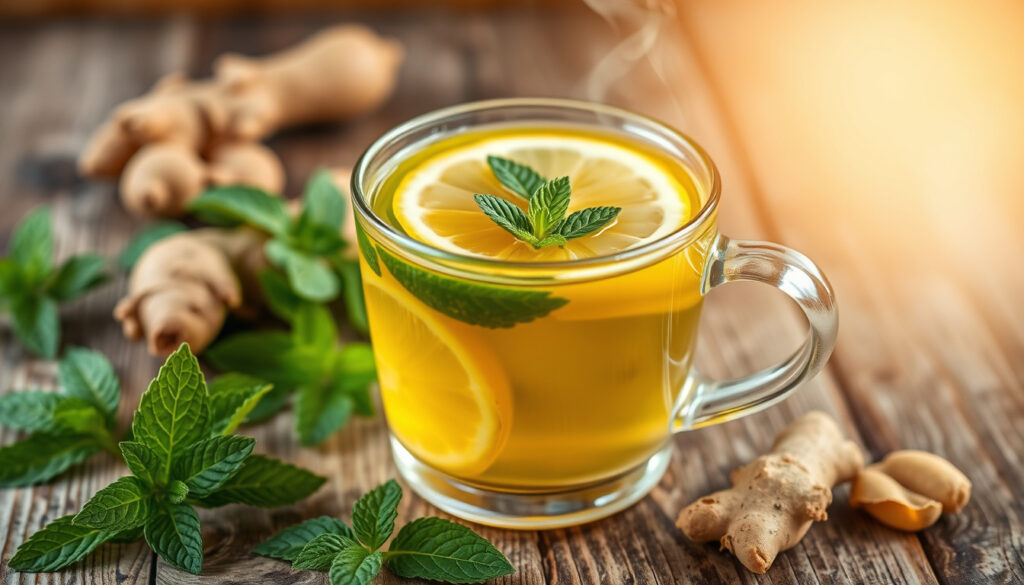
Best Tea for Sore Throat – Proven Remedies for Relief
When a sore throat strikes, reaching for a warm cup of tea can provide meaningful relief. Research and medical professionals consistently point to specific herbal and traditional teas as effective remedies for soothing throat pain, reducing inflammation, and supporting the body’s natural healing process.
Understanding which teas work best—and why—can help you make informed choices when symptoms arise. This guide examines the evidence behind the most recommended options, their preparation, and practical considerations for different types of sore throat discomfort.
What Is the Best Tea for a Sore Throat?
Chamomile, green tea, and ginger consistently emerge as the most recommended options among healthcare professionals and researchers. Each offers distinct therapeutic properties that address different aspects of throat discomfort.
Top Recommended Teas
Powerful anti-inflammatory compounds
Calming and anti-inflammatory
Natural throat coating
Congestion and pain relief
Why These Teas Work
- Antioxidants in most teas reduce inflammation in throat tissue, easing pain and swelling
- Warm liquids increase blood flow to inflamed tissues, providing soothing relief
- Staying hydrated through tea drinking helps keep throat tissues moist and supports mucus clearance
- Certain compounds in specific teas have demonstrated antiviral and antibacterial properties
- The coating effect of herbal preparations creates a protective layer over irritated throat tissue
| Tea | Key Benefit | Prep Time | Cautions |
|---|---|---|---|
| Chamomile | Anti-inflammatory, calming | 5-10 minutes | Very low side effects |
| Green Tea | Antioxidant, antiviral | 2-3 minutes | Contains caffeine |
| Ginger | Anti-inflammatory, warming | 5-10 minutes | May interact with blood thinners |
| Turmeric | Potent anti-inflammatory | 5 minutes | Add black pepper for absorption |
| Licorice Root | Throat coating, cortisol release | 5-10 minutes | Use sparingly; avoid with high blood pressure |
According to medical review by Dr. Yoshinori Abe (Internal Medicine), green tea and chamomile rank as top choices. Green tea’s catechins offer antiviral and anti-inflammatory support while chamomile gently soothes and aids sleep. A herbal tea containing traditional demulcents proved more effective than placebo for short-term pain relief in acute pharyngitis.
Is Ginger Tea Good for Sore Throat?
Ginger has been used for centuries in traditional medicine systems worldwide, and modern research supports its effectiveness for throat discomfort. The root contains gingerols and shogaols—compounds with well-documented anti-inflammatory properties.
Ginger Tea Benefits
Ginger’s anti-inflammatory compounds help reduce swelling in throat tissues, while its warming sensation provides natural pain relief. Research suggests ginger may also help fight bacterial infections, making it particularly useful when sore throat stems from bacterial causes.
An additional benefit of ginger is its ability to reduce nausea. When sore throat accompanies stomach discomfort or digestive upset, ginger tea serves a dual purpose by addressing both symptoms simultaneously.
Chamomile and Peppermint Alternatives
Chamomile offers a different mechanism of action through compounds called chamazulene and bisabolol, which reduce throat swelling. Flavonoids and terpenoids in chamomile combat inflammation and may inhibit bacterial growth. The tea’s mild sedative properties also relieve tension in neck and throat muscles, promoting relaxation and improved sleep—two factors essential for healing.
Peppermint tea works particularly well when congestion accompanies sore throat. Its menthol content helps clear nasal passages while the warm liquid soothes irritated throat tissue.
Steep one teaspoon of dried ginger or a thumb-sized piece of fresh ginger in 8 ounces of hot (not boiling) water for 5-10 minutes. Sip slowly to allow the liquid to coat your throat. Drink 2-3 cups daily for best results.
Licorice Root Tea for Sore Throat Relief?
Licorice root contains glycyrrhizin, a compound that promotes cortisol release—a natural anti-inflammatory steroid hormone produced by the body. This mechanism makes licorice particularly effective at reducing throat inflammation.
How Licorice Soothes Throat Pain
Research demonstrates licorice’s effectiveness in clinical settings. In one study, participants who gargled with 0.5 grams of licorice powder mixed in 30 milliliters of water for 30 seconds before surgery experienced reduced postoperative sore throat symptoms compared to control groups.
The demulcent properties of licorice create a soothing coating over irritated throat tissue, similar to how slippery elm works. This protective layer provides immediate comfort while the anti-inflammatory compounds address underlying swelling.
Green Tea as a Mild Option
Green tea provides a milder but still effective option, particularly for those seeking antioxidant benefits without the stronger effects of licorice. Its high catechin content offers antiviral support, and research demonstrates that tea catechins can inhibit influenza virus replication.
Studies show that gargling with green tea solution every six hours within a 24-hour period reduced sore throat symptoms in postoperative patients. The antioxidants also reduce inflammation in throat tissue, addressing both symptoms and causes.
Licorice root should be used sparingly, particularly if you have high blood pressure. Long-term or excessive consumption may lead to potassium depletion and fluid retention. Consult a healthcare provider if you have cardiovascular concerns.
What Is the Fastest Way to Cure a Sore Throat with Tea?
While no tea can cure a viral infection outright, certain preparations provide rapid symptomatic relief. Combining therapeutic teas with supportive ingredients accelerates comfort.
Quick Tea Recipes with Honey
Honey enhances the soothing properties of any tea base while adding its own antimicrobial benefits. The combination of warm liquid, honey’s coating effect, and the tea’s therapeutic compounds creates optimal relief.
A simple honey lemon tea works quickly: heat water to just below boiling, steep your chosen tea base for the recommended time, then add one to two tablespoons of honey and a squeeze of fresh lemon juice. The vitamin C from lemon supports immune function while the honey coats and soothes.
Golden milk combines turmeric tea with honey and milk or a dairy-free alternative. Adding a pinch of black pepper enhances curcumin absorption by up to 2,000 percent, maximizing the anti-inflammatory benefits.
Home Usage Tips
- Sip tea slowly rather than drinking it quickly—this allows the liquid to coat your throat longer
- Keep tea warm but not scalding; extreme temperatures can further irritate tissue
- Drink 2-3 cups per day for sustained relief rather than relying on a single serving
- Gargling with cooled tea before swallowing can provide additional throat contact time
- Avoid adding honey to boiling water—let tea cool slightly to preserve honey’s beneficial compounds
Never give honey to children under 12 months old due to the risk of infant botulism. For young children, consider other sweetener options or simply allow them to drink the tea unsweetened.
When to Consider Medical Attention
Tea remedies effectively address mild to moderate sore throat discomfort, but certain symptoms warrant professional evaluation. Understanding when self-care is insufficient helps prevent complications.
- Symptoms lasting more than seven to ten days without improvement
- Difficulty swallowing or breathing
- High fever exceeding 101.3°F (38.5°C)
- Severe pain that prevents sleep or normal activities
- Visible white patches on the throat or tonsils
- Recurring sore throats—multiple episodes within months
These symptoms may indicate bacterial infection requiring antibiotics, viral conditions needing specific treatment, or other conditions requiring medical intervention. Healthcare providers can determine appropriate treatment based on the underlying cause.
What We Know and Don’t Know About Tea for Sore Throat
Research provides clear evidence about certain aspects of tea for sore throat while leaving other questions incompletely answered.
| Established Information | Uncertain or Limited Information |
|---|---|
| Teas soothe symptoms through anti-inflammatory compounds | Long-term preventive effects of regular tea drinking |
| Warm liquids increase blood flow and provide comfort | Optimal dosing for specific therapeutic effects |
| Hydration supports throat tissue health | Comparative effectiveness between different tea types |
| Green tea catechins inhibit influenza replication | Effects against novel or uncommon pathogens |
| Honey provides additional soothing and antimicrobial benefits | Interaction effects with medications |
The Science Behind Tea’s Soothing Power
The therapeutic effects of medicinal teas work through multiple biological pathways. Anti-inflammatory compounds like chamazulene in chamomile and gingerols in ginger reduce swelling by inhibiting inflammatory signaling molecules in the body.
Antioxidants present in most therapeutic teas neutralize free radicals that contribute to tissue damage and inflammation. Green tea’s catechins, particularly epigallocatechin gallate (EGCG), demonstrate antiviral activity against common respiratory pathogens including influenza viruses.
Turmeric’s curcumin functions as a potent anti-inflammatory by altering cell signaling pathways. Scientists believe it promotes healing and reduces inflammation while potentially preventing or limiting infections and stimulating immune response.
Studies on herbal remedies for pharyngitis remain limited in scale and scope. While individual compounds show promise in laboratory settings, more rigorous clinical trials are needed to establish standardized dosing and confirm effectiveness across diverse populations. Current evidence supports symptomatic relief rather than curative treatment.
What Medical Experts Say
“Green tea and chamomile are top choices for sore throat relief. Green tea’s catechins offer antiviral and anti-inflammatory support while chamomile gently soothes and aids sleep.”
— Dr. Yoshinori Abe, Internal Medicine (via medical review)
“A herbal tea containing traditional demulcents proved more effective than placebo tea for short-term pain relief in acute pharyngitis.”
— PMC/NIH Research Study
Healthcare professionals generally agree that herbal teas offer safe, low-risk options for managing mild sore throat symptoms when used appropriately. The Mayo Clinic and other institutions include warm tea drinking among recommended home care strategies alongside rest, hydration, and over-the-counter pain relievers.
Choosing the Right Tea for Your Sore Throat
The optimal tea depends on your specific symptoms and health circumstances. For general soreness, chamomile or licorice root provides effective soothing. When inflammation and swelling predominate, ginger or turmeric offer stronger anti-inflammatory action. Peppermint excels when congestion accompanies throat pain, and green tea serves those seeking both antioxidant support and antiviral protection.
Regardless of tea choice, prepare it properly by steeping in hot (not boiling) water, sipping slowly to maximize throat contact, and maintaining consistent consumption throughout the day. Adding honey and lemon enhances benefits for most adults while avoiding honey in young children.
For comprehensive information on related health topics, see our guide to Symptoms of Yeast Infection and What Is Mupirocin Ointment Used For.
Frequently Asked Questions
Is honey good for sore throat?
Yes, honey provides additional soothing benefits when added to tea. It creates a protective coating over throat tissue and possesses antimicrobial properties. However, honey should never be given to children under one year old due to infant botulism risk.
What is the fastest way to cure a sore throat?
While teas cannot cure viral infections, drinking warm chamomile or ginger tea with honey provides rapid symptomatic relief. Sip slowly, maintain hydration, and rest. If symptoms persist beyond a week or worsen, consult a healthcare provider.
Does green tea help sore throat?
Green tea contains catechins that inhibit influenza virus replication and reduce inflammation in throat tissue. Research shows gargling with green tea solution reduced sore throat symptoms in postoperative patients.
How often should I drink tea for sore throat?
Most recommendations suggest drinking 2-3 cups of therapeutic tea per day for sustained relief. Keep tea warm (not hot) and sip slowly rather than gulping to maximize the coating effect on throat tissue.
Can I drink tea if I have high blood pressure?
Most teas are safe for people with high blood pressure, but licorice root should be avoided or used sparingly as it can raise blood pressure. Green tea contains caffeine but in amounts unlikely to affect most people. Consult your healthcare provider for personalized advice.
Which tea is best for sore throat and cough?
Ginger tea works well for combined sore throat and cough due to its anti-inflammatory properties and ability to reduce nausea. Peppermint helps when congestion accompanies cough, while fenugreek clears mucus and cleanses the throat.
Is chamomile tea safe for everyone?
Chamomile is generally well-tolerated with minimal side effects and is caffeine-free. Those with ragweed allergies may experience cross-reactions. Consult a healthcare provider if you have known plant allergies or are pregnant.
More related posts
 Is Ozzy Osbourne Dead – Heavy Metal Icon Passes at 76
 Can Cats Have Blueberries? Complete Safety Guide 2025
 Toy Story 4 Cast: Full Voice Actors & Characters List
 How to Apply for Food Stamps: USA SNAP & Ireland Guide
 Pesos Mexicanos a Dólares: Live Exchange Rate & Guide
 Social Security Administration Identity Proofing Requirements Guide
 How to Make Netherite Armor in Minecraft: Step-by-Step
 Box and Whisker Plot Explained: Five-Number Summary