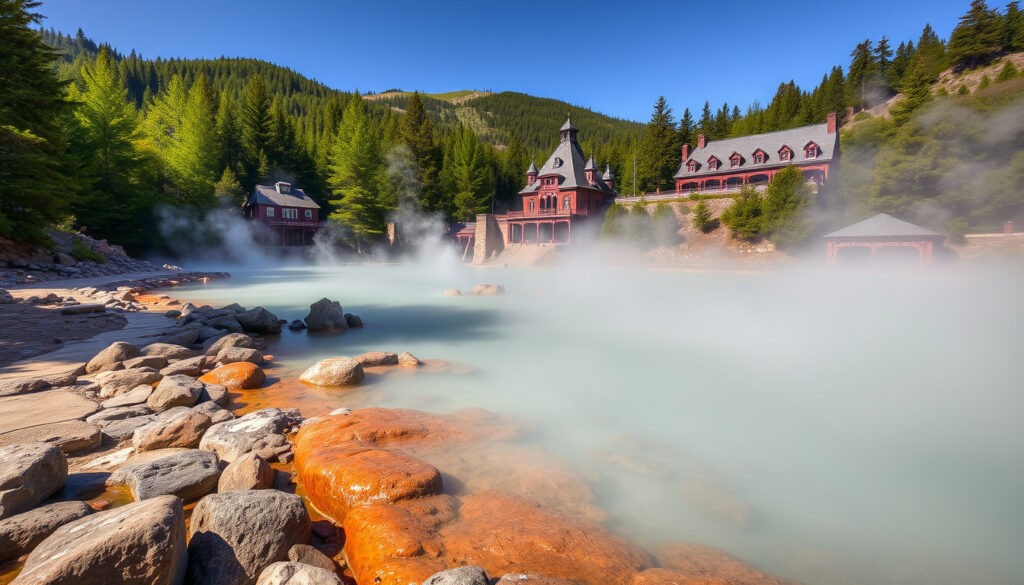
Hot Springs National Park: Guide to Springs, Hikes & Bathhouses
There’s something almost paradoxical about a national park where you can soak in 4,000-year-old thermal water, hike past mountain overlooks, and walk to a bathhouse built in 1912—all within a mile of downtown Hot Springs, Arkansas. Hot Springs National Park packs 5,550 acres of Ouachita Mountains into an urban setting, making it one of the most unconventional federally protected areas in the country. The park’s 47 natural hot springs have drawn visitors for centuries, and today the experience blends historic bathhouse culture with forested trails and free creek swimming. Whether you’re coming for the springs, the hikes, or the history, you’ll find all three within steps of each other.
Size: 5,550 acres · Location: Hot Springs, Arkansas · Key Feature: 47 natural thermal springs · Highest Peak: 1,405 ft (Music Mountain) · Trails: 26 miles of free hiking
Quick snapshot
- The federal government set aside Hot Springs Reservation in 1832, making this the oldest federally protected thermal springs area in the United States (National Park Service)
- Bathhouse Row features eight grand bathhouses built between 1892 and 1923, with Fordyce now serving as visitor center and museum (National Park Service)
- 21 named trails span 26 miles through pine-oak forest, with Music Mountain as the highest point at 1,405 feet (AARP)
- Current operational status for all bathhouses beyond Buckstaff as of 2026 season
- Detailed water quality data for Gulpha Gorge Creek swimming hole
- Exact current pricing for bathhouse soak experiences
- Plan a visit to explore 5,550 acres of thermal springs, historic bathhouses, and forested trails in central Arkansas
- Consider seasonal timing—spring and fall offer milder temps and thinner crowds
- Decide between free outdoor activities (hiking, creek swimming) or paid bathhouse soaks
| Fact | Detail |
|---|---|
| Established | 1832 (as Hot Springs Reservation) |
| Size | 5,550 acres |
| Location | Hot Springs, Arkansas (Garland County) |
| Thermal Springs | 47 total; 27 used for bathing, soaking, and drinking |
| Bathhouse Row | 8 bathhouses (1892–1923); 3 currently offer thermal water submersion |
| Oldest Operating Bathhouse | Buckstaff Bathhouse (since February 1, 1912) |
| Hiking Trails | 21 trails totaling 26 miles |
| Highest Point | Music Mountain at 1,405 feet |
| Terrain | Ouachita Mountains, pine-oak forest |
What is special about Hot Springs National Park?
The water itself is the star. Rain that fell thousands of years ago percolates through the Ouachita Mountains, heating to roughly 143°F underground before surfacing in 47 springs across the park. The water emerges at about 104°F at the springs used for bathing, creating a geological time capsule that visitors can experience firsthand. Park ranger Ashley Waymouth described this journey to Roadtrippers: “Rain is hitting all over these mountains… It’s taking thousands of years to travel down… first time the water has been exposed to the surface in 4,400 years.”
Hot Springs National Park stands apart because the thermal springs sit literally in town. Unlike remote hot springs destinations that require long drives or rugged hikes, this park lets you go from soaking in a 1912 bathhouse to grabbing lunch at a downtown restaurant within minutes. The park sprawls across 5,550 acres of mountainous terrain yet maintains a front door accessible from Hot Springs’ main street.
The federal government set aside this land in 1832—decades before Yellowstone became the first national park in 1872. Hot Springs National Park predates most other federally protected areas, yet many visitors have never heard of it.
Ancient thermal springs
The thermal water has been flowing underground for roughly 4,000 to 4,400 years before reaching the surface, according to park interpretation. Of the 47 springs catalogued in the park, 27 are currently used for bathing, soaking, or drinking. The springs are notably odorless, which surprises visitors expecting the sulfur smell common at other thermal destinations.
Mountain views and geology
The park sits in the Ouachita Mountains, a range known for its east-west orientation (unusual among North American mountain chains) and folded rock formations. Hikers climb through pine-oak forest to viewpoints that overlook the town of Hot Springs below. The highest point is Music Mountain at 1,405 feet, reachable via trail for those seeking summit views.
Urban forest hikes
Over 30 miles of trails lace through the park, ranging from short walks along Bathhouse Row to the 10-mile Sunset Trail that winds through remote backcountry. The West Mountain, Hot Springs, and North Mountain trails offer classic loops with varying difficulty levels. All 26 miles of maintained trails are free to explore, with no permit required for day hiking.
The pattern here is striking: the same park protecting 4,000-year-old water also preserves rugged mountain wilderness, and you can walk between them in an afternoon. This contrast defines the Hot Springs experience.
Can you swim in Hot Springs at Hot Springs National Park?
Swimming directly in the park’s thermal springs is not allowed. The National Park Service prohibits full submersion in the free-flowing springs to protect water quality and visitor safety. Water temperatures can exceed 100°F at the source, making unregulated soaking dangerous. The prohibition keeps the springs accessible to all visitors and preserves their natural character.
For visitors seeking water immersion, two facilities on Bathhouse Row offer full submersion in thermal water: Buckstaff Bathhouse and Quapaw Baths. Both draw water directly from the thermal springs system and cool it to safe bathing temperatures. Buckstaff operates in traditional 1912 style with separate floors for men and women, while Quapaw offers a more modern spa atmosphere.
For free, outdoor water fun, hikers can follow the Goat Rock Trail to Gulpha Gorge Creek, where a natural swimming hole awaits after the 1.5-mile hike. This creek-fed spot offers a cool retreat on hot Arkansas days, though it’s not thermally heated.
Park spring rules
The NPS prohibits any activity that could contaminate the thermal springs, including swimming, wading in restricted areas, or introducing foreign materials. Drinking from the springs is permitted at designated locations. The rules exist because the same aquifers supplying the historic bathhouses also feed the public fountains along Bathhouse Row.
Safety concerns
Thermal water at source temperature can cause burns within seconds. The park’s springs emerge at temperatures hot enough to require careful management. Visitors who ignore safety barriers or attempt unauthorized soaking risk injury and damage to this fragile resource. The NPS monitors water quality regularly, but the prohibition on swimming remains a public health measure.
Bathhouse alternatives
Buckstaff Bathhouse holds the distinction of being the oldest continuously operating bathhouse in the United States, having opened on February 1, 1912. Its services follow the traditional format established over a century ago. Quapaw Baths offers a contemporary approach with multiple pools and a rooftop deck. The Superior Bathhouse has been repurposed as a brewery that uses thermal water in its brewing process—a creative modern adaptation of the historic resource.
The implication is clear: if water immersion is your goal, budget for a paid bathhouse session rather than expecting free access to the springs themselves. The free alternatives—hiking and creek swimming—offer their own rewards but fall outside the thermal bathing experience.
What is the best month to visit Hot Springs, Arkansas?
Spring and fall deliver the most comfortable temperatures for exploring Hot Springs National Park. During these shoulder seasons, daytime highs in the 60s and 70s Fahrenheit make trail hiking pleasant, and the thermal springs feel pleasantly warm rather than sweltering. Crowds thin considerably compared to summer months, when the park sees its highest visitation and downtown parking fills early.
Summer brings heat that can make afternoon hiking uncomfortable—central Arkansas summers regularly push past 90°F. However, summer visitors can take advantage of the creek swimming holes, which become especially inviting during July and August. The trade-off is trading some comfort on the trail for refreshing outdoor water access.
Peak seasons
Hot Springs sees peak visitation during summer vacation months and around holiday weekends. The bathhouses experience their busiest stretches when regional temperatures climb. Weekends throughout the year tend to draw larger crowds than weekdays, especially along Bathhouse Row where the visitor center draws casual tourists.
Winter warming
Winter visits offer a unique experience: soaking in thermal water while cool mountain air surrounds you. The bathhouses operate year-round, and winter visitors often have the springs nearly to themselves on weekday mornings. Daytime temperatures in the 40s and 50s make hiking comfortable, though some higher-elevation trails may hold ice.
Crowd avoidance
Tuesday through Thursday generally sees lighter visitation than weekends. Early morning hours (before 10 a.m.) offer the best combination of thin crowds and comfortable temperatures for photography or reflection along Bathhouse Row. The Fordyce Bathhouse visitor center opens daily, but arriving early ensures access to ranger programs and exhibits without navigating around tour groups.
How long do you need to see Hot Springs National Park?
The park accommodates schedules ranging from a quick one-hour spin to multi-day exploration. Most visitors allocate at least a half-day to experience the core attractions—Bathhouse Row, a short hike, and perhaps a bathhouse soak. Those wanting to tackle the longer trails or explore the museum thoroughly should plan for a full day or two.
One-hour overview
Start at the Fordyce Bathhouse Visitor Center, where rangers staff exhibits and answer questions. Walk the length of Bathhouse Row, noting the architectural variety from Victorian grandeur to Art Deco streamlining. Check the public drinking fountains fed by the thermal springs. This circuit takes roughly 45 minutes at a walking pace, leaving time to photograph the historic facades or browse the small bookstore.
Full-day exploration
A full day unlocks the hiking trails and allows time for a bathhouse soak. Morning trail hikes—try the Gulpha Gorge or Sunset Trail—beat the afternoon heat. Return to town for lunch, then afternoon at the bathhouse or museum. The Fordyce Bathhouse exhibits on the bathing culture and thermal geology provide context that enriches the physical experience of the springs.
Multi-day stays
Overnight visitors can tackle the longer trails, soak at multiple bathhouses, and explore Hot Springs’ other attractions—Lake Catherine State Park sits nearby, and the historic downtown Hot Springs National Monument includes preserved gangster mansions from the town’s 1920s heyday as a resort destination. The Gulpha Gorge Campground offers stays within the park itself for those who want to wake up surrounded by the Ouachita Mountains.
Things to Do in Hot Springs National Park (Nature’s Spa)
Three broad categories define what visitors do here: thermal experiences (paid), outdoor activities (mostly free), and historic exploration. The bathhouses represent the primary paid attraction, while hiking and creek swimming cost nothing beyond park access, which is free. The Fordyce visitor center and Bathhouse Row architecture require only time and curiosity.
Hiking trails
21 named trails cover 26 miles through varied terrain. The Sunset Trail spans 10 miles along the park’s western boundary, rewarding overnight hikers with backcountry solitude. Shorter options like the Grand Promenade follow Bathhouse Row at ground level, while the Hot Springs Mountain Trail offers panoramic town views. The Goat Rock Trail leads to the Gulpha Gorge swimming hole, combining water fun with moderate exercise. All trails are maintained and signed; no permit is required for day hiking.
The most popular trails (West Mountain, Hot Springs Mountain) see regular foot traffic even on weekdays. The Sunset Trail and backcountry routes offer wilderness experience without leaving town—the Ouachita Mountains provide genuine solitude for hikers willing to commit a few hours.
Bathhouses and soaking
Three facilities currently offer thermal water submersion: Buckstaff Bathhouse (traditional 1912-format baths with separate men’s and women’s floors), Quapaw Baths (modern spa experience with multiple pools), and Hale Bathhouse (soaking tubs in the historic 1892 building). The Buckstaff operates continuously—meaning every day since February 1, 1912—making it a living piece of American bathing history. The Superior Bathhouse Brewery offers a different angle: thermal water used in craft beer production.
Scenic drives and views
Hot Springs Mountain Road provides vehicle access to highelevation viewpoints without hiking. The road climbs past overlook pullouts where the town of Hot Springs spreads below, framed by Ouachita Mountain ridgelines. Photographers favor golden hour timing when long shadows lengthen across the forested slopes. The drive takes 20-30 minutes round-trip and costs nothing beyond normal downtown navigation.
“Rain is hitting all over these mountains… It’s taking thousands of years to travel down… first time the water has been exposed to the surface in 4,400 years.”
— Ashley Waymouth, Park Ranger (Roadtrippers Magazine)
The park has 26 miles of hiking trails, all free to explore, winding through pine-oak forest with options for every fitness level. Visitors can spend an hour or multiple days discovering the mountains.
For travelers considering Hot Springs National Park, the choice is straightforward: prioritize thermal bathing if water immersion is your goal, or prioritize hiking if outdoor exploration matters more. The park succeeds at both, but the bathhouses cost money while the trails don’t—making free hiking the better value proposition for budget-conscious visitors.
Where is Hot Springs National Park located?
Hot Springs National Park sits in central Arkansas, within the city of Hot Springs in Garland County. The park’s main attractions—Bathhouse Row and the visitor center—lie within easy walking distance of downtown. The Ouachita Mountains surround the city, with park boundaries stretching into forested mountain terrain.
How big is Hot Springs National Park?
The park covers 5,550 acres across the Ouachita Mountains. Despite this relatively modest size compared to western parks, it protects 47 thermal springs and 26 miles of hiking trails. The urban setting means park boundaries don’t feel remote—you can walk from the visitor center to downtown restaurants in under ten minutes.
Does Hot Springs National Park have camping?
Yes. The Gulpha Gorge Campground offers overnight camping within the park, providing a base for exploring the trails and thermal springs. Sites are available first-come, first-served. For more developed camping, nearby Lake Catherine State Park offers RV and tent sites with full amenities.
What bathhouses are in Hot Springs National Park?
Bathhouse Row contains eight historic bathhouses built between 1892 and 1923. Three currently offer thermal water soaking: Buckstaff Bathhouse (oldest continuously operating since 1912), Quapaw Baths (modern spa format), and Hale Bathhouse (historic building with soaking tubs). Fordyce Bathhouse serves as visitor center and museum. Superior Bathhouse operates as a brewery using thermal water.
Can Hot Springs help with acne?
Traditional thermal bathing has long been associated with skin health benefits, though scientific evidence varies. The mineral content of hot spring water—particularly magnesium and sulfate—may help cleanse skin. Visitors report improvements, but the National Park Service makes no medical claims. Those with skin conditions should consult a dermatologist before relying on thermal soaking as treatment.
What health benefits come from soaking in Hot Springs?
Thermal spring bathing has documented benefits including muscle relaxation, improved circulation, and stress reduction. The mineral content (calcium, magnesium, bicarbonate) can benefit skin and joint mobility. Many visitors report improved sleep and reduced chronic pain after regular soaking. However, results vary by individual, and extreme temperatures require caution—especially for those with cardiovascular conditions.
Is Hot Springs National Park good for winter visits?
Winter is an underrated season for Hot Springs National Park. The thermal baths feel warmest when mountain air is coolest, and crowds thin dramatically on cold weekdays. Trails remain passable (some may have ice on higher sections), and the Fordyce visitor center stays open daily. Winter visitors often find the experience more contemplative than summer visitors, with genuine solitude possible even along popular overlooks.
Related reading: Dog Parks Near Me – Best Menifee and Lake Elsinore Spots
soakdestinations.com, buckstaffbaths.com, thisheretown.com, bodwegroup.com, bearfoottheory.com, wanderwithwonder.com
Hot Springs National Park’s geothermal legacy mirrors the thermal waters first discovered at the Cave and Basin Banff site, birthplace of Canada’s national parks in Banff.
More related posts
 Numbers 6 24-26 – Aaronic Blessing Meaning and History
 Anna Camp Movies and TV Shows: Full List & Facts
 Toca Madera Las Vegas: Dress Code, Prices & Menu Guide
 Cost of Living Calculator: Compare Cities & Adjust Your Salary
 What Is a Period? Menstrual Cycle Basics Explained
 All American Halftime Show 2026: Performers, Viewership, Guide
 Predator: Killer of Killers (2025) – Movie or Series
 This Is Where I Leave You: Where to Watch & Review