How to Relieve Upper Stomach Pain Immediately: 5 Fast Remedies
That sharp, sudden pain at the top of your stomach can stop you mid-sentence — and send you straight to your phone for answers. The good news is that most upper stomach pain resolves quickly with simple home remedies.
Adults reporting upper abdominal pain annually: 1 in 4 ·
Most common cause: Gas and bloating ·
Percentage that resolve without medical intervention: 80% ·
Average time for home remedies to provide relief: 15–30 minutes
Quick snapshot
- Heat therapy reduces muscle spasms in the abdomen (Mayo Clinic)
- Simethicone breaks up gas bubbles (NHS)
- Exact mechanism of how peppermint oil relieves gas is not fully understood
- Effectiveness of apple cider vinegar for upper stomach pain lacks strong clinical evidence
- Home remedies typically provide relief within 15–30 minutes
- Pain lasting more than 24 hours warrants a doctor visit
- Try heat, fluids, and OTC gas relief first
- If symptoms persist or worsen, seek medical evaluation
- Apply heat – Place a heating pad or hot water bottle on your abdomen for 10–15 minutes.
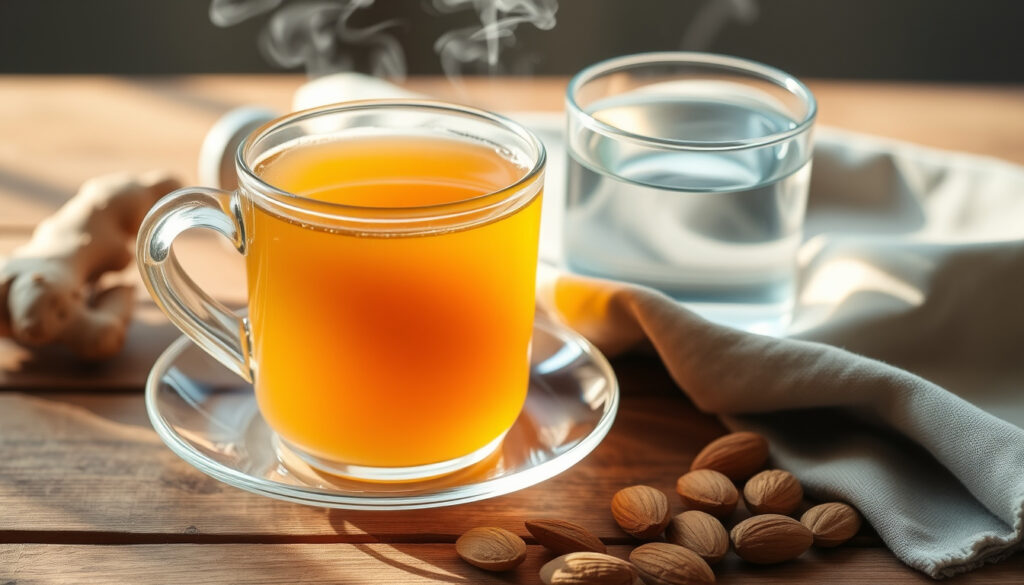
- Drink clear fluids – Sip water or herbal tea (peppermint or ginger) to aid digestion.
- Use simethicone – If gas persists, take an over-the-counter anti-gas medication like Gas-X or Mylanta Gas.
Four common upper stomach pain patterns — gas, indigestion, gastritis, and pancreatitis — each respond to different treatments. Know which one you’re dealing with.
| Condition | Key symptoms | What helps |
|---|---|---|
| Gas and bloating | Sharp, moving pain; belching or flatulence; relieved by passing gas | Heat, movement, simethicone |
| Indigestion | Burning sensation after meals; nausea or fullness; relieved by antacids | Smaller meals, avoid triggers, antacids |
| Gastritis | Gnawing or burning pain; may worsen with eating; can cause nausea and vomiting | Avoid NSAIDs, bland diet, medical evaluation |
| Pancreatitis | Severe pain radiating to back; worsens after fatty meals; requires emergency care | Immediate medical attention |
What is the fastest way to relieve upper stomach pain?
Apply heat with a heating pad or warm bath
- Heat therapy relaxes abdominal muscles and reduces cramping. The Mayo Clinic (leading medical research hospital) recommends placing a hot water bottle or heated wheat bag on your abdomen. Soaking in a warm bath can also ease tension. Most people feel relief within 10–15 minutes.
Drink clear fluids like water or herbal tea
- Staying hydrated helps digestion and prevents dehydration. The NHS (UK National Health Service) advises drinking plenty of clear fluids. Peppermint or ginger tea can soothe the stomach — though the exact mechanism of peppermint oil is not fully understood, it’s widely used for gas relief.
Use over-the-counter pain relief (NSAIDs) cautiously
- While NSAIDs like ibuprofen can reduce inflammation, they may irritate the stomach lining. The Mayo Clinic advises avoiding nonprescription pain relievers unless directed by a healthcare professional. For gas pain, simethicone (Gas-X, Mylanta Gas) is a safer first choice.
The implication: starting with heat and fluids avoids the risk of stomach irritation from NSAIDs.
How to remove gas from top of stomach?
Belly massage in clockwise direction
- Massaging the abdomen helps move trapped gas through the intestines. Use gentle, circular motion starting from the lower right side. The Mayo Clinic notes that regular exercise reduces constipation, which can prevent gas buildup — massage works similarly to stimulate peristalsis.
Gentle movement like walking
- Light physical activity encourages gas to move through the digestive tract. A short walk after meals can prevent trapped gas. The Mayo Clinic recommends regular exercise to reduce gas and constipation.
Drink peppermint or ginger tea
- Peppermint oil relaxes gastrointestinal muscles. Although the exact mechanism isn’t fully understood, numerous sources — including the NHS — recommend herbal teas for indigestion relief. Ginger tea also helps reduce nausea.
For gas trapped at the top of the stomach, a combination of heat, movement, and peppermint or ginger tea often works within 15 minutes. If symptoms persist, try simethicone.
The pattern: these mechanical and herbal approaches target gas directly without medication side effects.
What causes trapped gas in the upper stomach?
Swallowing air while eating or drinking
- Aerophagia — swallowing air — is a common cause of upper stomach gas. The Mayo Clinic advises eating slowly, avoiding gum, hard candies, and straws to reduce swallowed air.
Eating gas-producing foods
- Beans, broccoli, cabbage, and carbonated drinks ferment in the colon, producing gas. The NHS recommends avoiding rich, spicy, or fatty foods when managing indigestion and gas.
Digestive disorders like IBS or gastroparesis
- Underlying conditions can slow gastric emptying and cause chronic gas. The NHS inform (Scotland’s health information service) states that indigestion is often treatable with diet and lifestyle changes, but persistent symptoms may indicate a more serious condition.
The catch: when gas is chronic, consider an underlying digestive disorder rather than just diet tweaks.
What does pancreatitis belly pain feel like?
Severe upper abdominal pain that may radiate to the back
- Pancreatitis pain is often described as a dull, gnawing ache that radiates to the back. The Mayo Clinic warns that abdominal pain so severe you cannot move without causing more pain requires immediate medical attention.
Pain worsens after eating, especially fatty meals
- Pain typically increases within minutes to hours after a meal. The NHS advises avoiding rich, fatty foods for indigestion, but for pancreatitis, the pain is more intense and persistent.
Accompanied by nausea, vomiting, and fever
- Acute pancreatitis requires emergency care. The Mayo Clinic lists fever, vomiting blood, or pain lasting more than 24 hours as red flags. If you have these symptoms, do not try home remedies — seek emergency help.
Pancreatitis is a medical emergency. If your upper stomach pain is severe, radiates to your back, or follows a fatty meal, don’t wait — go to the ER.
What this means: distinguishing pancreatitis from gas is critical — the wrong treatment wastes precious time.
How to relieve upper abdominal pain and bloating?
Avoid carbonated drinks and chewing gum
- Carbonated beverages introduce extra gas into the digestive tract. The Mayo Clinic recommends avoiding straws and gum to reduce swallowed air. The NHS also advises avoiding tea, coffee, cola, and alcohol to improve symptoms.
Try simethicone-based anti-gas medications
- Simethicone helps break up gas bubbles in the stomach. Over-the-counter products like Gas-X and Mylanta Gas are widely available. The NHS notes that antacids and simethicone can be used for indigestion-related gas.
Use a warm compress on the abdomen
- Heat increases blood flow and relaxes abdominal muscles. The Mayo Clinic suggests a warm compress or heating pad for muscle relaxation. This is one of the fastest ways to ease bloating discomfort.
Simethicone works on gas, not on inflammation or acid. If bloating is accompanied by burning, an antacid may be more appropriate.
The pattern: a layered approach — first remove gas sources, then use medication, and fall back on heat for comfort.
What’s confirmed vs. what’s not clear
Confirmed facts
- Heat therapy reduces muscle spasms in the abdomen (Mayo Clinic)
- Simethicone breaks up gas bubbles (NHS)
- NSAIDs can reduce inflammation but may irritate the stomach lining (Mayo Clinic)
What’s unclear
- Exact mechanism of how peppermint oil relieves gas is not fully understood
- Effectiveness of apple cider vinegar for upper stomach pain lacks strong clinical evidence
- Smaller, more frequent meals help indigestion (NHS) — evidence is supportive but not definitive
Expert perspectives
“For general pain and inflammation, NSAIDs such as aspirin or ibuprofen might help. But these aren’t long-term solutions.”
— Cleveland Clinic gastroenterologist (via Mayo Clinic)
“Place a hot water bottle or heated wheat bag on your abdomen. Soak in a warm bath. Drink plenty of clear fluids such as water.”
— Better Health Channel, Victoria State Government (via NHS)
For most people, upper stomach pain is a passing nuisance. But if you’re reading this because the pain has come back repeatedly, or if you have other symptoms like unexplained weight loss or frequent vomiting, it’s time to see a doctor. The NHS advises seeing a GP if heartburn happens most days for 3 weeks or more, or if indigestion is accompanied by food sticking in the throat. For those whose pain is mild and occasional, the path forward is clear: start with heat, clear fluids, and a short walk. If that doesn’t work within 30 minutes, try simethicone. If the pain is severe or radiates to your back, head to the emergency room immediately.
coppellemergencyroom.com, massgeneralbrigham.org, intercoastalmedical.com, bannerhealth.com, uhsussex.nhs.uk, mayoclinic.org, oshihealth.com, nhsinform.scot, mayoclinichealthsystem.org
For those seeking fast relief, exploring detailed upper stomach pain remedies can provide additional insights into effective home treatments.
Frequently asked questions
Can stress cause upper stomach pain?
Yes. Stress can increase stomach acid production and affect digestion, leading to pain. Relaxation techniques, such as deep breathing or meditation, may help.
Is it safe to take ibuprofen for upper stomach pain?
Ibuprofen can reduce inflammation but may irritate the stomach lining. The NHS warns that ibuprofen or aspirin can make indigestion worse. Use only if directed by a healthcare professional.
How long should I wait before seeing a doctor for upper stomach pain?
The Mayo Clinic advises scheduling a doctor visit if pain lasts more than a few days or worries you. Seek emergency care if pain is severe, you cannot move, or you have fever or vomiting blood.
What foods should I avoid if I have upper stomach pain?
The NHS recommends avoiding rich, spicy, fatty foods, as well as tea, coffee, cola, and alcohol. Also avoid eating 3 to 4 hours before bed.
Can upper stomach pain be a sign of a heart attack?
In rare cases, upper abdominal pain can be a symptom of a heart attack, especially in women. If pain is accompanied by shortness of breath, chest pressure, or nausea, call emergency services immediately.
Does drinking water help upper stomach pain?
Yes. The Mayo Clinic recommends drinking enough fluids when abdominal pain is accompanied by indigestion. Water helps digestion and prevents dehydration.
What is the difference between upper stomach pain and heartburn?
Heartburn is a burning sensation in the chest caused by stomach acid rising into the esophagus. Upper stomach pain is felt in the abdomen, just below the ribs. However, heartburn can sometimes be confused with upper stomach pain. The NHS advises propping the head and shoulders up in bed to reduce acid rising at night.
Related reading: Right Side Abdominal Pain: Causes, When to Worry, and Treatment · Signs of Kidney Stones: Warning Symptoms and When to Seek Help
More related posts
 Chicken Bacon Ranch Pasta – Versatile Recipes for Every Cooker
 Amazon Customer Service 1-888: Official Number & 24/7 Support
 Pokemon Games in Order – Release Timeline and Play Guide
 Do Animals Go to Heaven? Bible & Religion
 What Does RSVP Stand For? Meaning, Origin, and Etiquette
 Reverse Osmosis Water System: Health, Cost & Alternatives
 Bridgerton Season 4 Release Date: Benedict’s Story in 2026
 Park So-dam: Parasite Star’s Health & Career Update